
We Spent 3 Weeks Testing 14 Survival Lighters to Find the Best of 2026
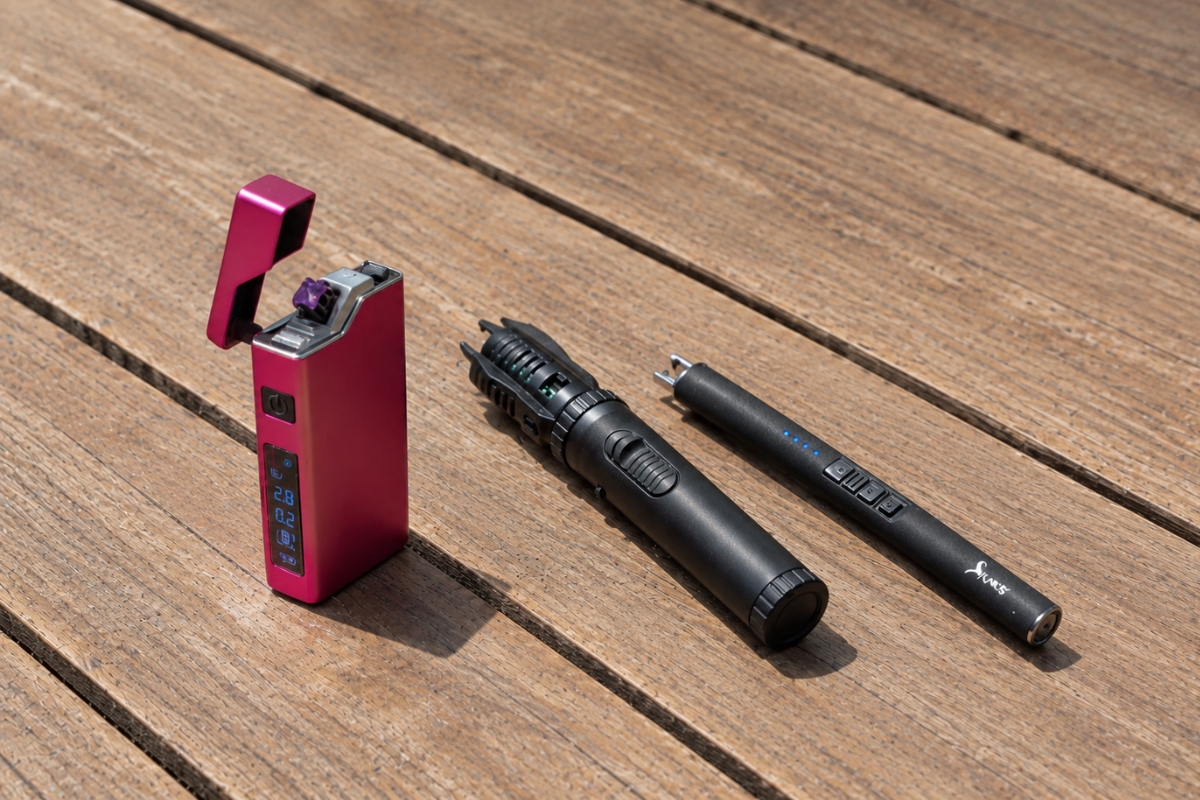
I got tired of lighters quitting on me, so I spent three weeks putting 14 of the best-selling survival models through wind, rain and freezing mornings to find the one worth keeping. The winner was never close.
You might be soaked to the bone in a storm, freezing on an exposed ridge, or stranded somewhere with the light fading and a fire standing between you and a brutal night.
In moments like that, a lighter isn’t allowed to fail. It has to fire on the first press, every press, because you’re trusting it with far more than a candle.
So I tested all fourteen in the same wet, windy conditions and kept only the three that earned a place in my pocket.
Below is my 2026 ranking of the survival lighters genuinely worth your money. The one in first place is the one I’d trust when it counts.

Jason Miller – Outdoor Gear & Ignition Specialist
Jason Miller is an Outdoor Gear & Ignition Specialist with over 12 years of experience evaluating lighters, fire-starting tools, and practical outdoor equipment. He has tested more than 70 lighters and ignition devices in a variety of everyday and outdoor conditions, assessing ignition reliability, wind resistance, battery life, charging performance, durability, and ease of use to identify the models that deliver dependable performance beyond the marketing claims.
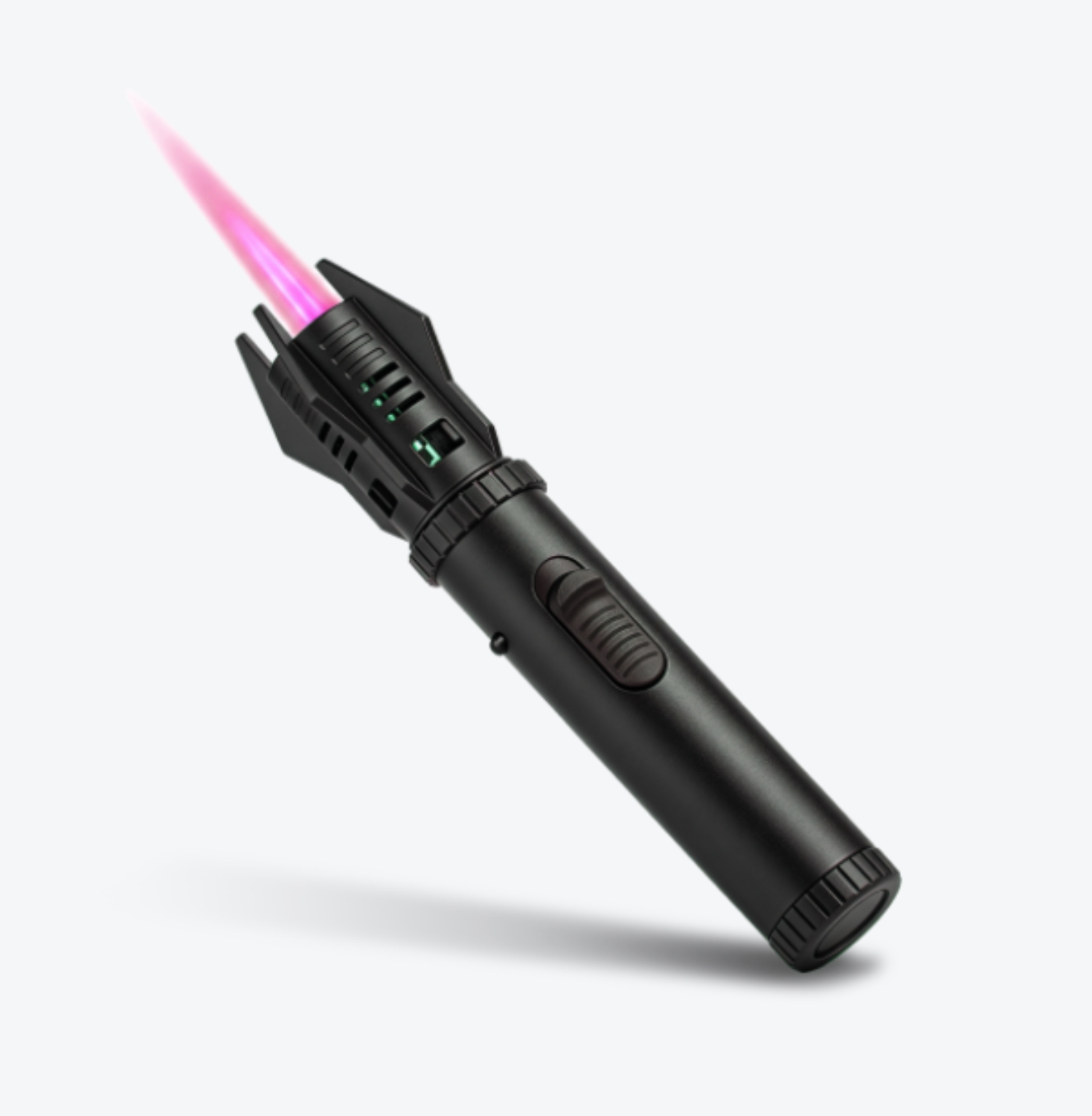
1. PlasmaBlaze Plasma Lighter
from PlasmaBlaze
Overall Grade
A+
Rating
9.8/10
Overall Analysis
PlasmaBlaze isn’t merely the best lighter on this list — it’s the only one that never gave me a reason to doubt it. Its dual-arc plasma burns at 1,800°, and because that heat is an electric arc rather than an open flame, wind and rain have nothing to blow out.
There’s nothing to refill either. A USB charge lasts for weeks, the body is built to be dropped, soaked and thrown in a bag, and it has fired on the first press every time I’ve reached for it. That consistency, more than any single spec, is why PlasmaBlaze sits at the top.
A single unit costs $39.99, or as little as $31.99 per lighter in a bundle, and every order is covered by a 30-day money-back guarantee. Prices and promotional availability are subject to change.
Pros
- 1,800° dual-arc plasma flame
- Roughly 20x hotter than an ordinary flame
- Ignites instantly, with no clicking or coaxing
- Keeps burning in wind, rain and snow
- Hot enough to burn through metal
- Recharges over USB
- Holds a charge for weeks
- Military-grade build
- Adjustable flame strength
- Built-in safety lock
- Light enough to forget it’s in your pocket
Cons
- Often out of stock because of demand
Wrap-Up
PlasmaBlaze won every category we tested. It lit instantly in wet, windy conditions where the others failed, held its charge longer, and shrugged off drops that would have cracked a plastic body.
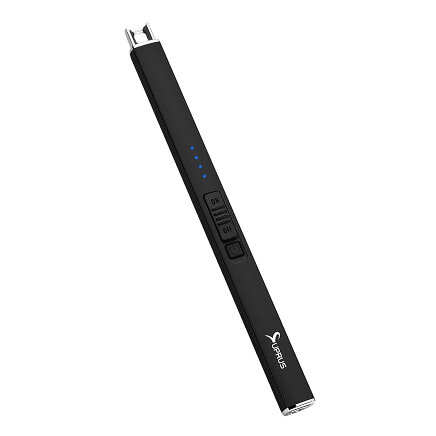
2. Electric Lighter
from SUPRUS
Overall Grade
B+
Rating
8.6/10
Overall Analysis
The SUPRUS Electric Lighter takes second place on the strength of its everyday manners: USB-rechargeable, flameless, and slim enough to disappear into a pocket. For candles, grills and a sheltered campsite, it gets the job done without fuss.
The single arc is where it loses ground. It copes with a light breeze, but the design is windproof rather than truly weatherproof — and once rain gets at it, it falls well behind PlasmaBlaze. That one gap is the difference between second place and first.
Pros
- USB rechargeable
- Flameless arc that can’t be blown out
- Handles a light breeze
- Compact and feather-light
Cons
- A single arc limits how hot it can burn
- Windproof only — not built for rain
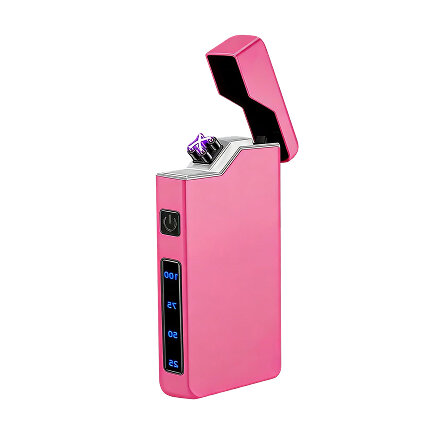
3. Pink Electric Arc Lighter
from ElPnFlame
Overall Grade
B
Rating
8.2/10
Overall Analysis
The ElPnFlame Pink Electric Arc Lighter earns third place. It’s inexpensive, rechargeable and has no flame to blow out, which makes it a sensible drawer lighter for candles, stovetops and the occasional sheltered grill.
But nothing about it is built for weather. Its heat output isn’t published, the body isn’t sealed against moisture, and the testing treated it as an indoor device. Take it out into real conditions and it’s the first of the three to give up.
Pros
- Rechargeable battery
- No flame to blow out
- Inexpensive
- Easy to carry
Cons
- Heat output isn’t published
- Body isn’t weather-sealed
- Best kept indoors
I Put All Three Finalists to the Test. Here’s Why PlasmaBlaze Won.
I’ve burned through more cheap, unreliable lighters than I care to count. They work for a week, then quit — usually the moment I actually need one, kneeling over a damp fire pit or a camp stove after a long day on the trail.
So when PlasmaBlaze kept turning up with thousands of reviews from people swearing it lit when nothing else would, I decided to find out for myself.
What makes PlasmaBlaze interesting is that it doesn’t use a flame at all.
Two electric arcs jump across a gap and form a 1,800° plasma beam. There’s nothing for the wind to blow out, so it lights in a storm exactly as it does on the kitchen counter.
No butane, no propane, no flint wheel to grind down. You charge it over USB and it’s good to go for a couple of weeks.
With the basics out of the way, here’s what three weeks of testing actually showed.
My Test Results
I took PlasmaBlaze on a rainy weekend in the mountains — about the meanest test you can give a lighter.
On day one it rained sideways. My kindling was soaked, the wind wouldn’t quit, and the backup lighter I’d packed died almost immediately. Normally that’s the part of the trip where you make peace with a cold dinner.
PlasmaBlaze didn’t notice. Lock off, dial up, one press — the arc snapped to life and caught the damp wood in seconds.
The next morning brought a hard frost, the kind that leaves a butane lighter useless because the fuel won’t vaporize. The arc doesn’t run on fuel pressure, so it fired exactly as it had the day before.
By the time I packed out two days later, I’d stopped thinking about it — the highest compliment I can pay a piece of gear. Every fire lit, the casing never grew hot in my hand, and the charge had barely moved.
PlasmaBlaze wasn’t the only lighter on that trip. I ran all three finalists side by side in the same conditions.
Here’s how they compared:
Power and ignition: PlasmaBlaze plays in a different league. One press brought the 1,800° arc to full strength instantly — no clicking, no coaxing — and it chewed through damp wood without complaint. The single-arc models felt like a cheaper product beside it.
Weather resistance: with no open flame, wind had nothing to put out, and the sealed body kept rain away from the electronics. Every other lighter on the bench was sold as windproof, yet each one failed once it got wet, and the gas models struggled in strong gusts even when dry.
Battery life: a single charge carried the entire weekend. Neither of the other two came close to that staying power.
Durability: I dropped it onto rock twice and it came away with little more than minor scratches, and the casing stayed cool through long sessions. The plastic-bodied arc lighters felt cheaper and far less likely to survive the same treatment.
Ease of use: setup took seconds — a safety lock, an ignition button and a dial for flame strength. Beyond an occasional charge it needs almost no upkeep, while the cheaper lighters offered one fixed output and nothing to adjust.
PlasmaBlaze came out ahead in every category: instant ignition in wet, windy conditions where the others failed, a longer-lasting charge, and a body that plainly outlasted them.
Jason Miller – Outdoor Gear & Ignition Specialist
Jason Miller is an Outdoor Gear & Ignition Specialist with over 12 years of experience evaluating lighters, fire-starting tools, and practical outdoor equipment. He has tested more than 70 lighters and ignition devices in a variety of everyday and outdoor conditions, assessing ignition reliability, wind resistance, battery life, charging performance, durability, and ease of use to identify the models that deliver dependable performance beyond the marketing claims.